Kelp forest monitoring to support community-managed protected areas
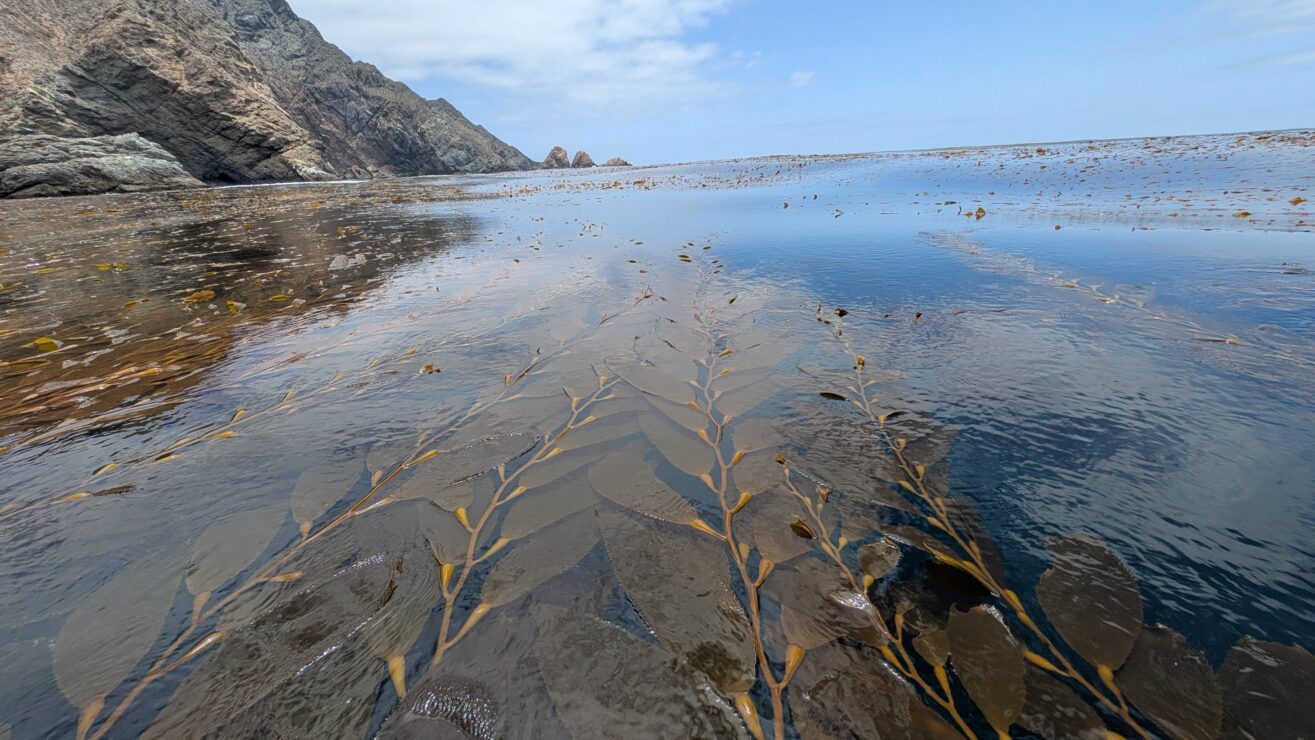
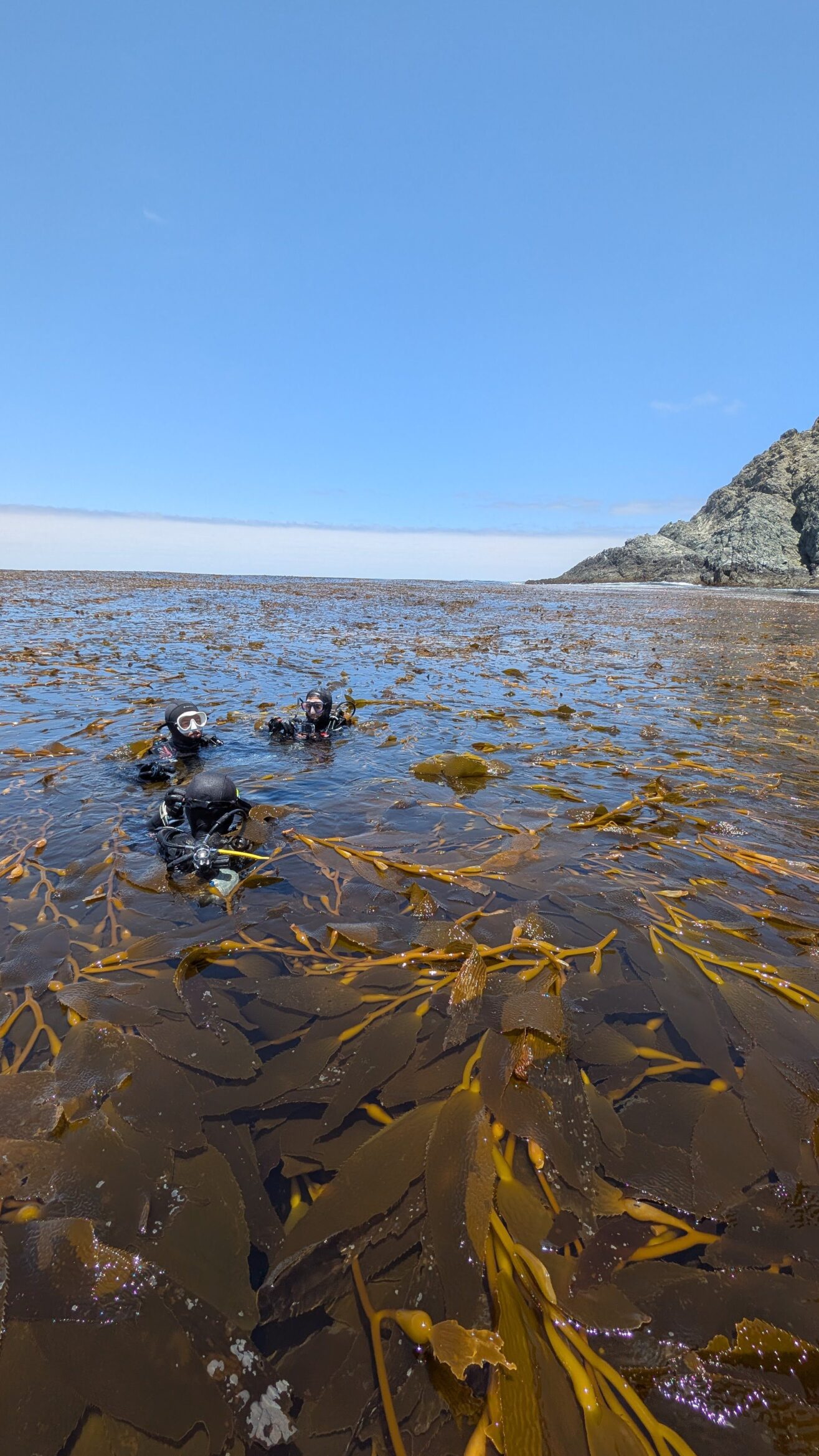
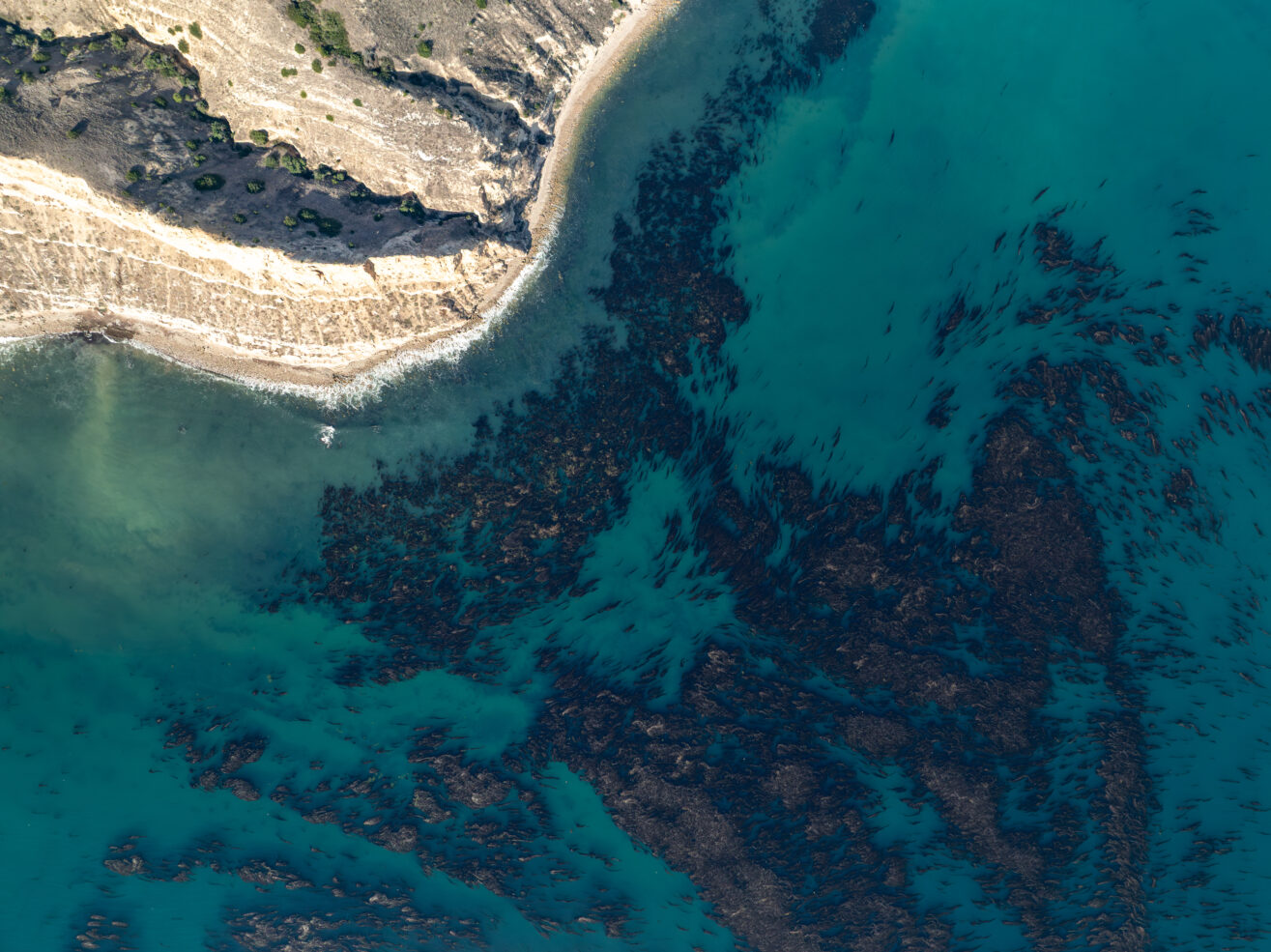
Kelp forests are some of the most biodiverse and productive habitats on Earth. Climate change poses a significant threat to the persistence and integrity of kelp forest ecosystems in coming decades, and we need to act quickly to protect them. In particular, small-scale fisheries near biogeographic transition zones are particularly susceptible to climatic stressors and often lack the resources to respond to these threats.
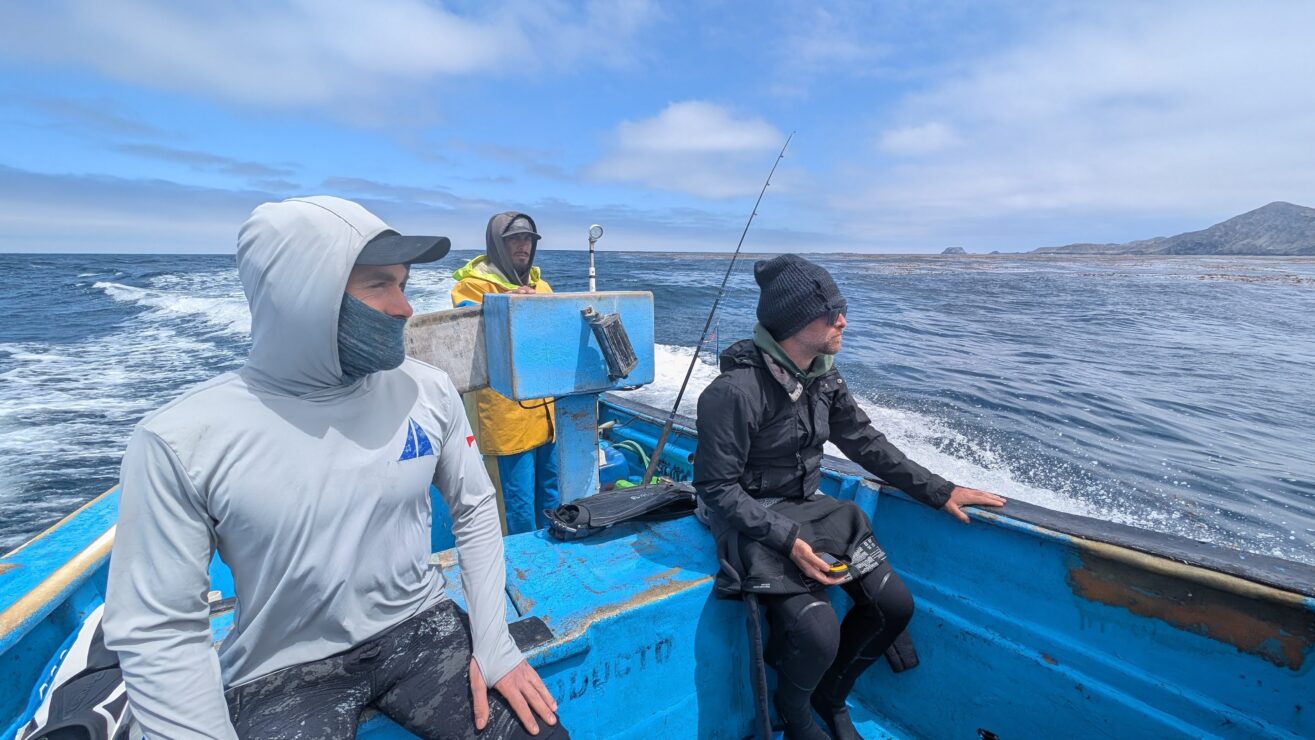
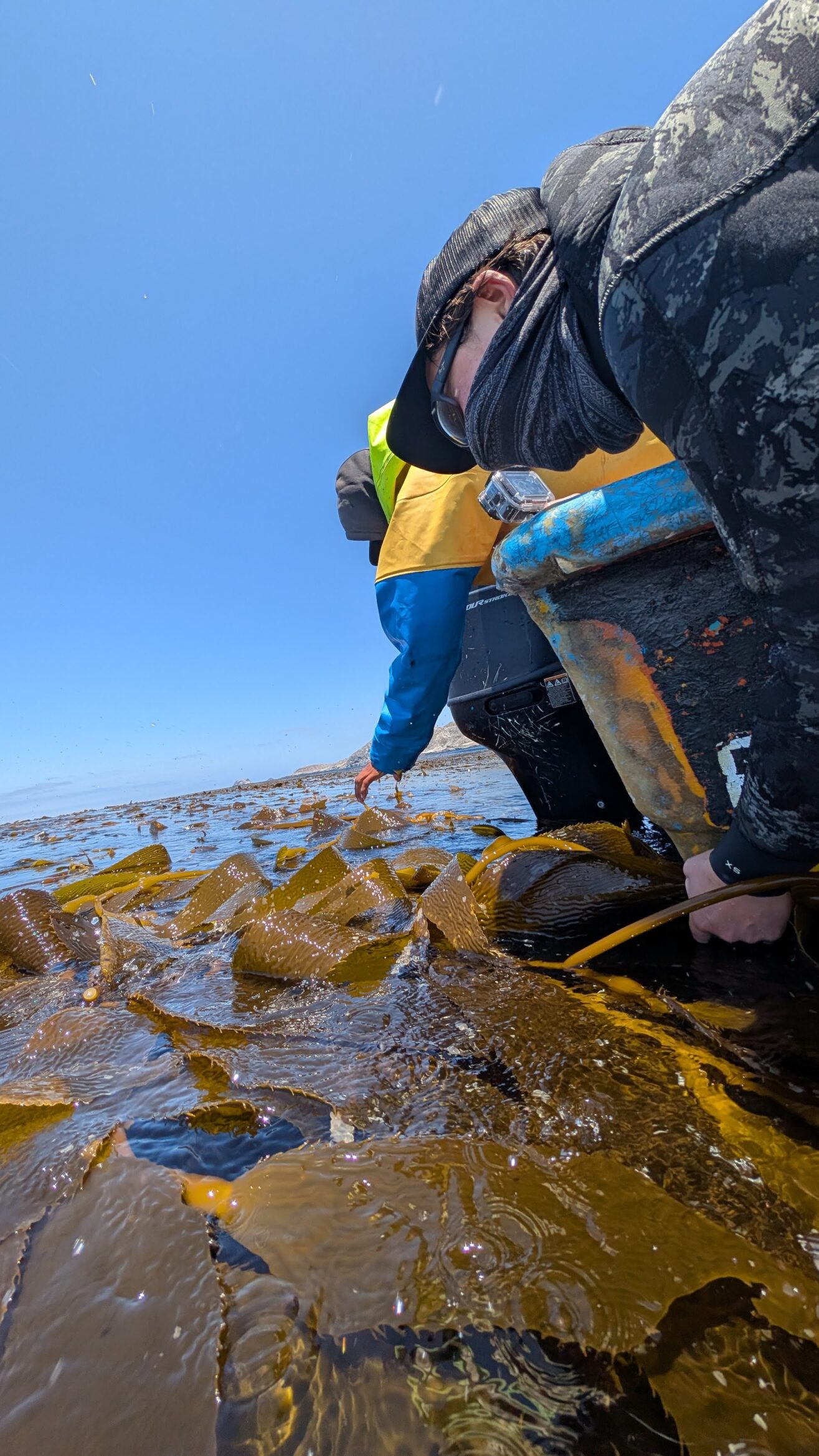
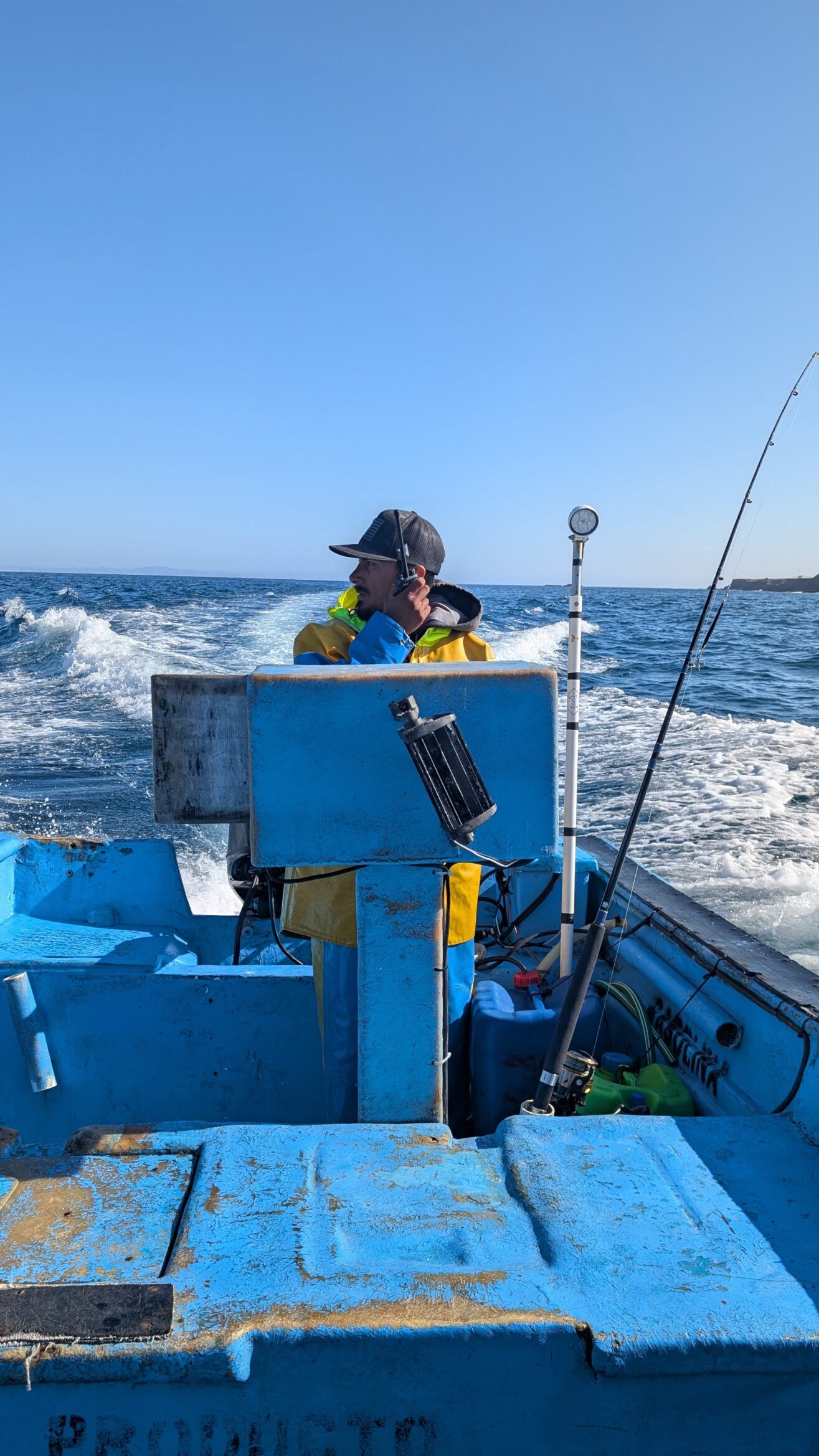
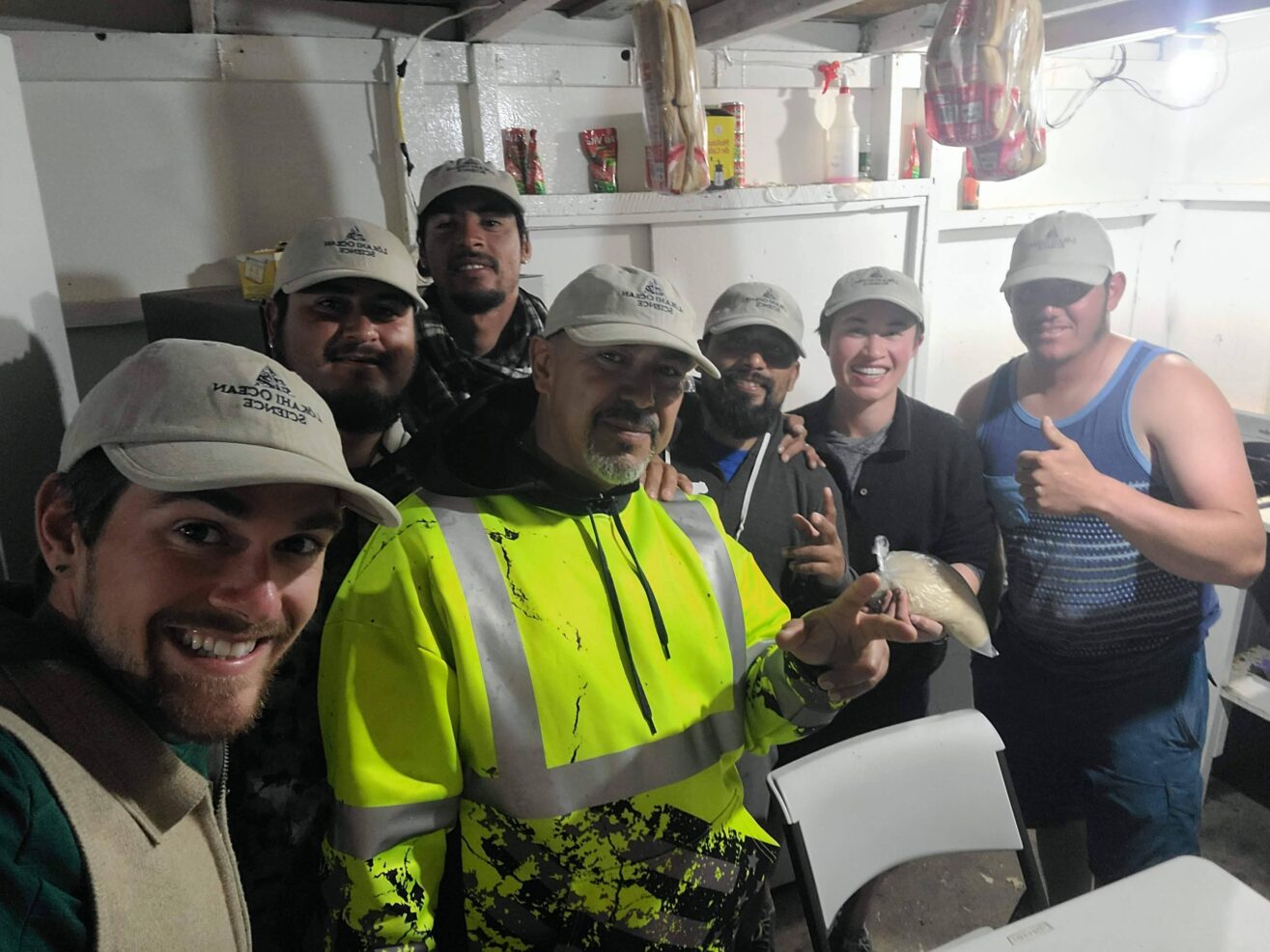
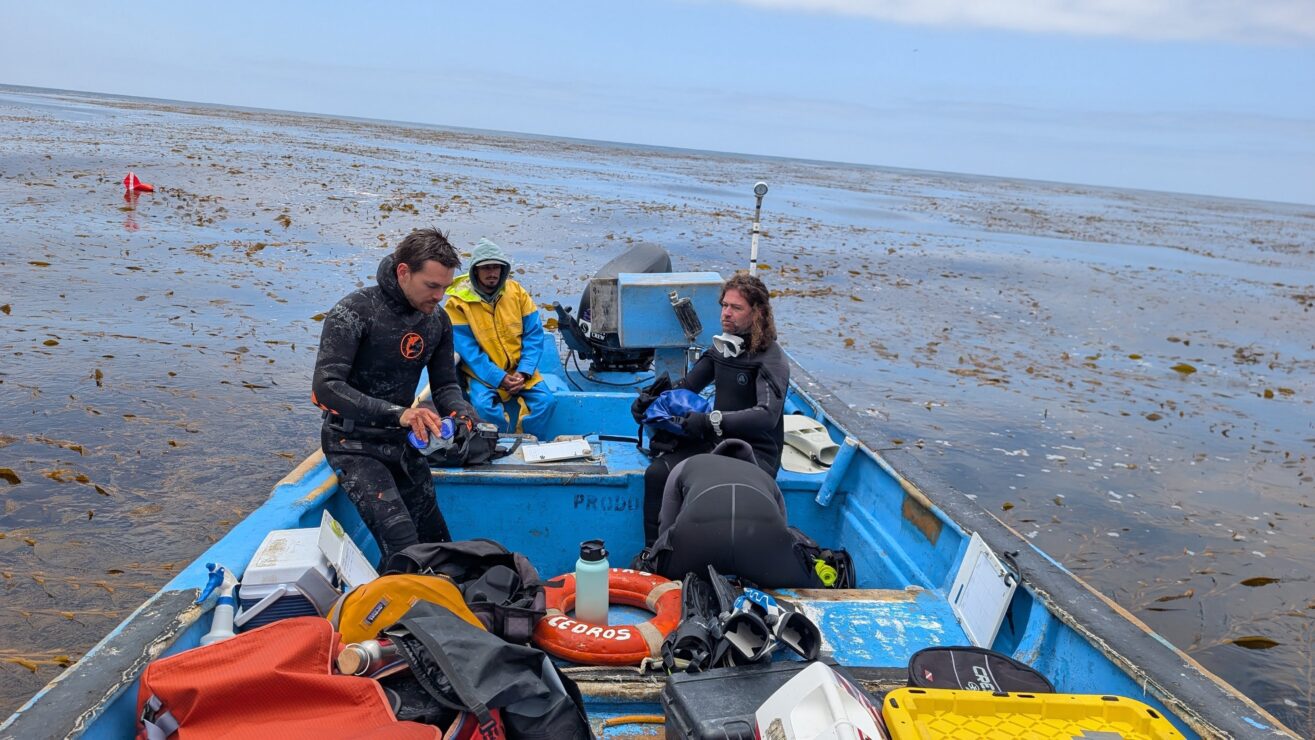
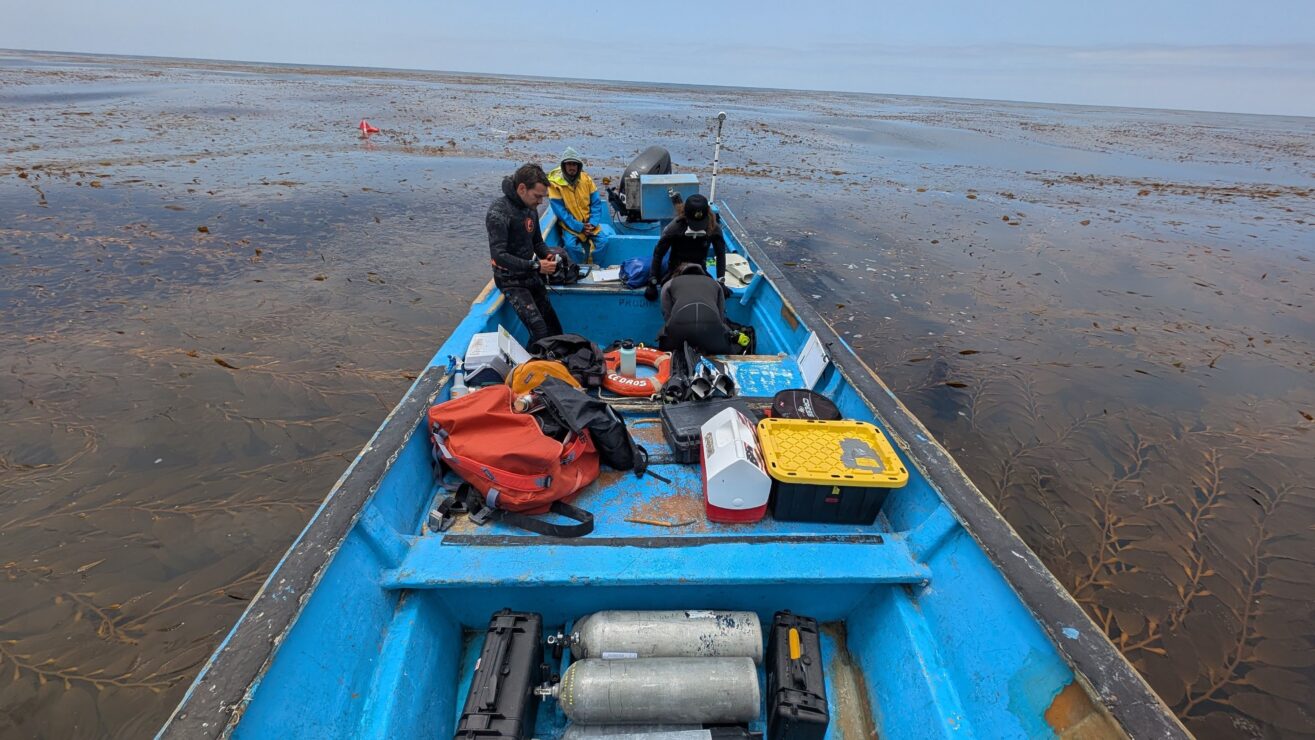
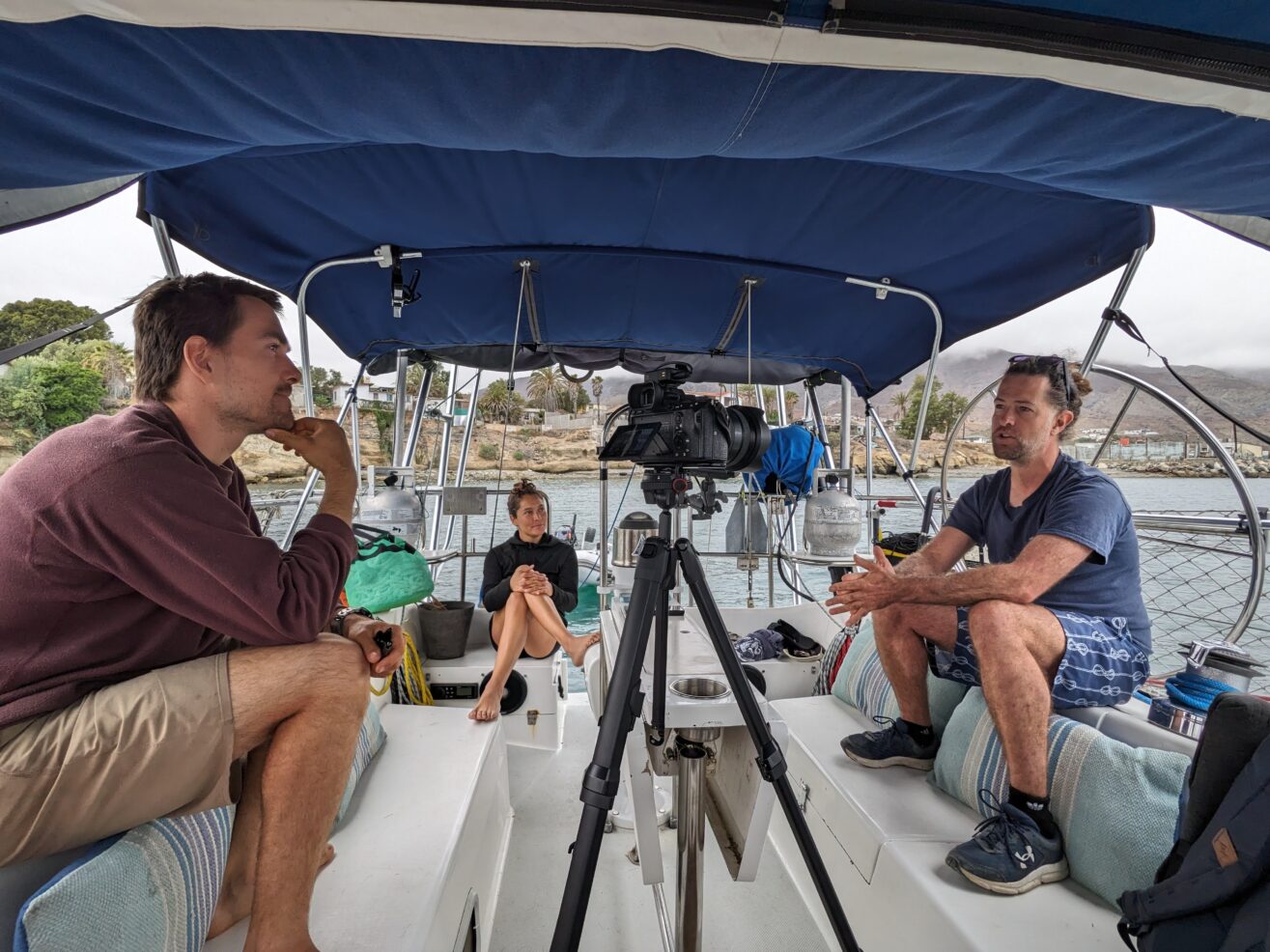
To address this challenge, we are supporting a collaborative, long-term monitoring program on Cedros Island, Baja California. In collaboration with Stanford University, Mas Kelp, and the fishing cooperative Pescadores Nacionales de Abulon, we are working to understand the drivers of kelp forest resilience and inform community-led adaptive management strategies.
Goals
1. Improve local adaptive capacity to deal with climate change
2. Support the development of climate-smart management strategies
Objectives
1. Previous work in the southern California Current identified small-scale spatial variability in oxygen dynamics, suggesting the potential for natural refuges. Identifying these refuges is a promising climate adaptation strategy. This project aims to map fine-scale environmental variability (temperature, oxygen) to identify small scale climate refugia to guide management actions.
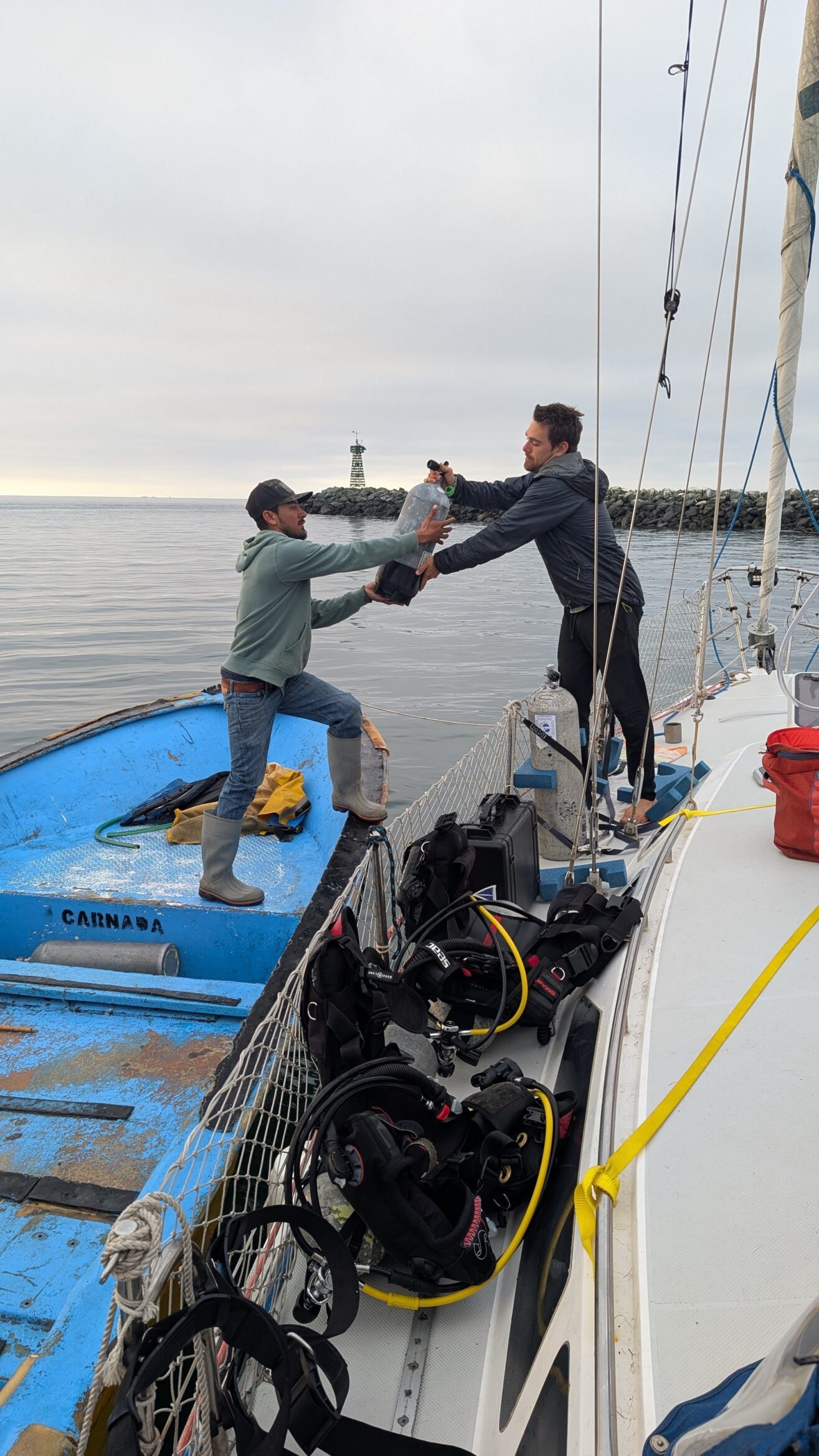
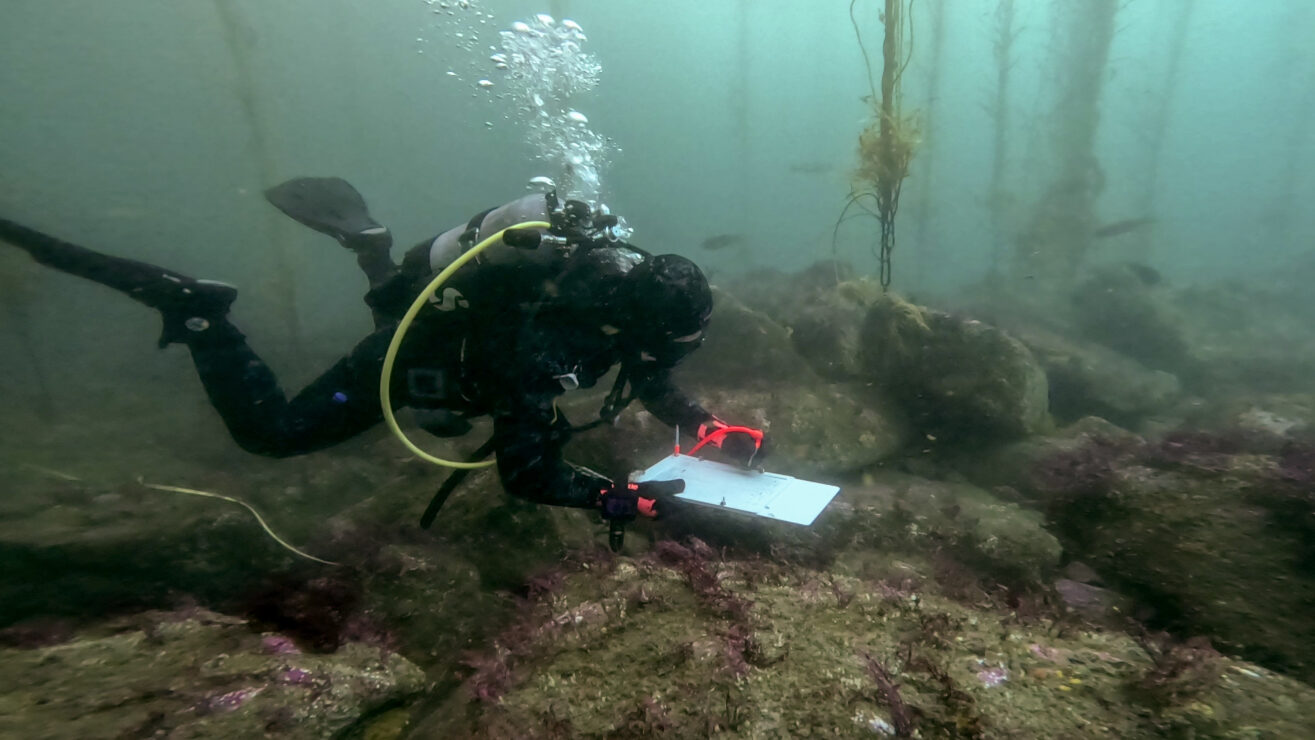
2. Conduct ecological monitoring surveys (kelp cover, fish, invertebrates) to track changes in kelp forest ecosystems over time.
3. Incorporate data sources, community perspectives, and current ecological guidelines to inform climate-smart management strategies. Potential strategies could include creating seasonal fishing closures, prioritizing refuges for abalone re-seeding, or relocating valuable abalone stocks based on environmental data.
Despite its relevance to resource managers, continuous, high-resolution environmental monitoring and adaptive, refugia-based management are lacking in many coastal ecosystems. This island, with its unique governance and capacity for dynamic management, could serve as a powerful case study for small-scale fisheries worldwide to adapt to changing oceans.


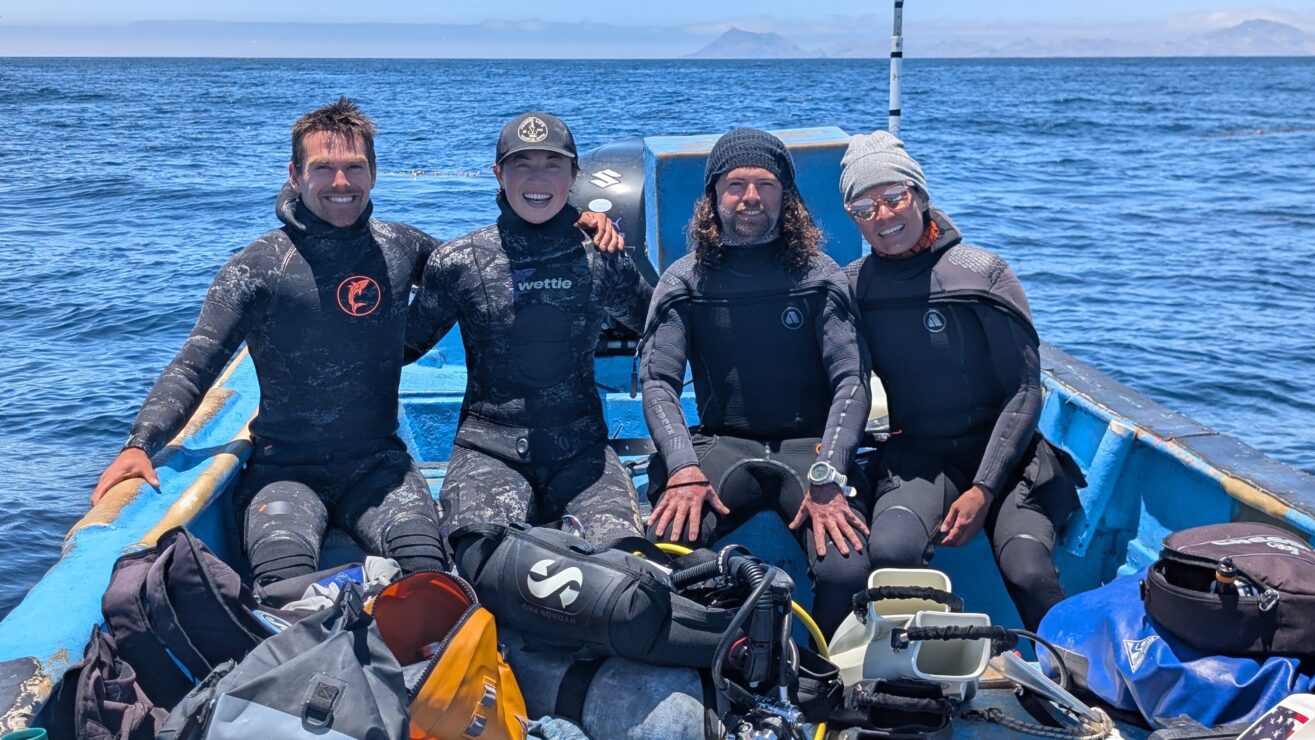

Collaborators