
Monitoring harmful algal blooms in the Monterey Bay
Along the California coast, blooms of the diatom Pseudo-nitzschia release a potent neurotoxin—domoic acid—which accumulates in the food web, causing devastating mass mortality events in sea lions, seabirds, and other marine life.
Predicting when and where these Harmful Algal Blooms (HABs) will become toxic remains a fundamental challenge for ocean science and resource management. This project addresses this challenge through a unique collaboration, pairing an agile sailing research vessel with a major oceanographic ship. By combining wide-area reconnaissance with cutting-edge molecular science, we are studying the mechanisms of toxicity to better safeguard our coastal ecosystems.
Goals
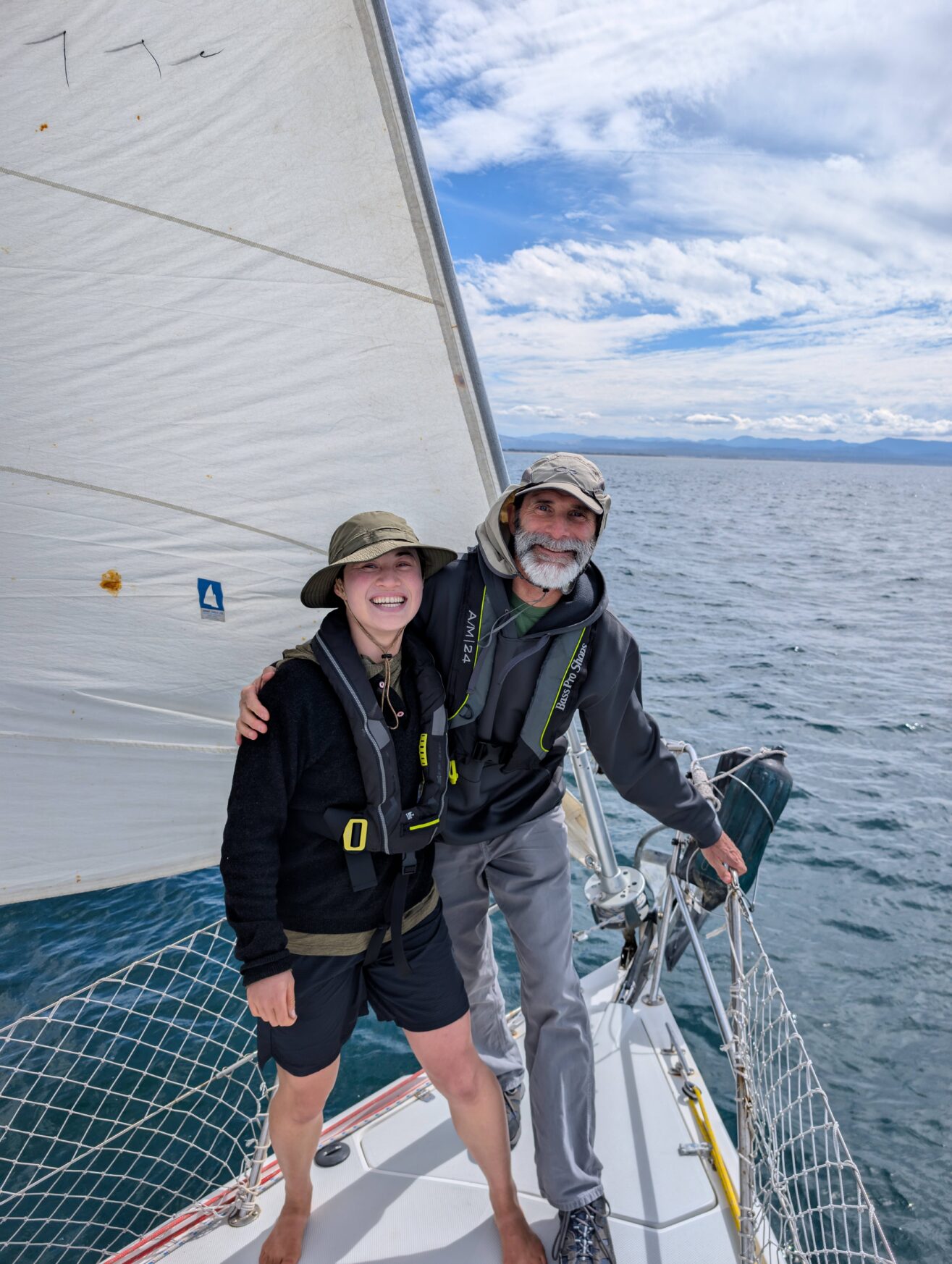
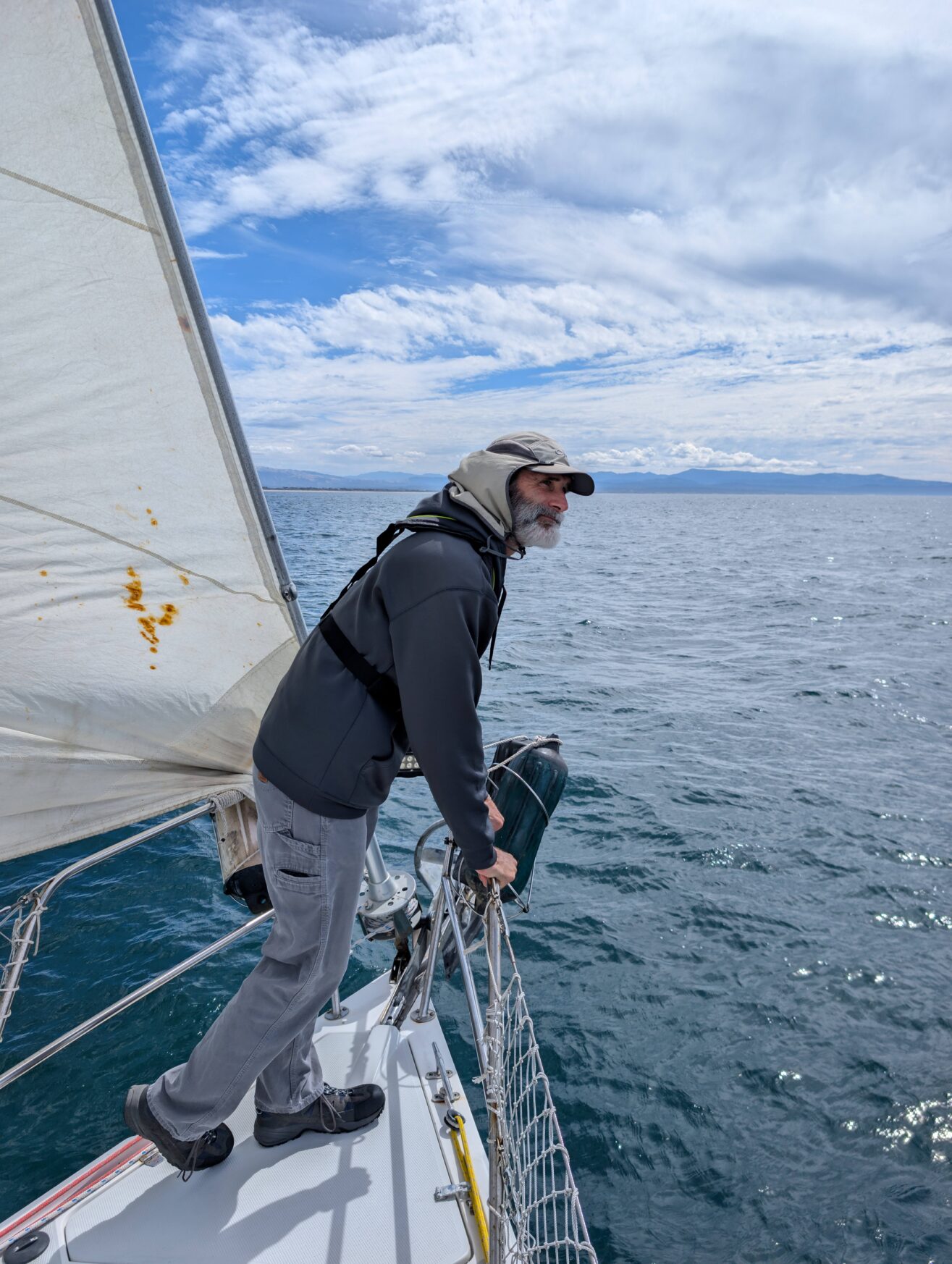
1.Reduce the carbon emissions of a large-scale study by using a sailboat for efficient scouting to direct the powerful capabilities of a major research vessel
2. Combine field and laboratory techniques to better understand the drivers of harmful algal blooms in Monterey Bay
Objectives
1.Conduct surveys in Monterey Bay and sample for diatom presence
2. A collaborative research team will use genomics, transcriptomics, and metabolomics to unravel the genetic and metabolic pathways that cause an algal bloom to be toxic.
3. Synthesize field and lab observations to link environmental observations with genetic onset of the toxin.
The primary innovation of this project is its nimble, two-tiered operational model. This synergistic approach—using a sailboat for efficient scouting to direct the powerful analytical capabilities of a major research vessel—maximizes scientific return and represents a highly effective new paradigm for studying algal blooms.
The impacts of this work are critical for coastal health. The data generated will provide resource managers and public health officials with a clearer understanding of bloom toxicity, informing fisheries closures and efforts to respond to marine mammal stranding events. On a broader scale, this research builds the foundation for a predictive early-warning system for toxic events, aiming to mitigate the devastating ecological and economic consequences of HABs along the U.S. West Coast and in vulnerable coastal regions worldwide.


Collaborators